Hikata: A Handwritten Script Font for Crafters
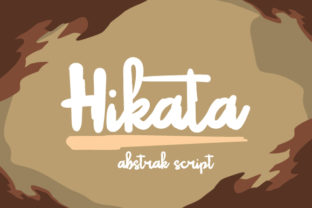
There is a distinct magic in the moment when a digital design feels genuinely human. As someone who spends hours cutting vinyl, printing labels, and packaging handmade goods, I know that the typeface you choose can make or break the emotional connection with your customer. This is where Hikata truly shines. It is not just another script font; it is a visual experience born from the stunning pairing of a brush pen and a pencil. The result is a typeface that looks incredibly endearing and authentic, bridging the gap between polished professionalism and the warm charm of a personal touch.
The Unique Character of Hikata
When you first load Hikata into your design software, you immediately notice its dual nature. The strokes mimic the fluidity of a wet brush, creating those beautiful thick-and-thin variations we love in calligraphy scripts for DIY projects. Yet, interspersed with this flow are the crisp, deliberate lines of a pencil. This combination gives the font a grounded, sketched quality that feels less manufactured than many other modern typography options.
For creators of physical products, this texture is vital. In a world saturated with sleek, vector-perfect designs, Hikata offers a sense of imperfection that customers crave. It suggests that a real person made this item, adding perceived value to everything from boutique tags to wedding invitations. Whether you are looking for fonts for Instagram posts or designing a full brand identity, this creative font brings an immediate sense of warmth and approachability.
Bringing Hikata to Life in Physical Products
The true test of any premium font is how it translates from the screen to the shelf. Hikata excels in practical applications where readability meets aesthetic appeal. Imagine using it for candle labels where the product name flows elegantly across the jar, or on farmhouse signs where the rustic pencil strokes complement the wood grain. The font works beautifully for short phrases, names, titles, and decorative wording, making it a versatile display font for your most important messages.
I have found Hikata particularly effective for seasonal craft designs. During the holidays, it transforms simple kraft paper packaging into something special. When printed on gift tags or used as the main text on a holiday card, the handwritten font style evokes nostalgia and care. For stationery designers, it is perfect for wedding welcome boards, bridal shower invites, and personalized planner pages. The swashes and ligatures included in the set allow you to add flourishes that frame the text without overwhelming it, ensuring your design remains balanced and sophisticated.
Real-World Applications for Makers
- Candle and Soap Labels: Use Hikata for the scent name or brand logo. The organic curves mimic the natural ingredients often associated with these products.
- Greeting Cards and Invitations: Pair the script with a clean sans serif font for addresses and details. The contrast highlights the elegance of the invitation while maintaining legibility.
- Wall Art and Printables: Create motivational quotes or nursery art. The pencil-like texture adds a whimsical, storybook feel that appeals to parents and home decor enthusiasts.
- Tote Bags and Apparel: When transferring to fabric via heat press or sublimation, the bold strokes of the brush elements ensure the design stands out against textured materials.
- Product Packaging: Use it on boxes, stickers, and hang tags to create a cohesive brand identity that feels artisanal and high-quality.
Optimizing Readability for Cutting Machines and Print
As a Cricut and Silhouette user, I understand the frustration of intricate fonts that don't cut cleanly or print too faintly. One of the reasons Hikata is such a strong asset for commercial craft sellers is its structural integrity. While it mimics hand-lettering, the letterforms are designed with spacing and stroke width in mind, preventing the "tangled mess" issue common with overly complex scripts.
However, readability is still key. When using Hikata for small stickers or tiny product labels, keep the text size above 8 points to ensure the pencil details remain visible. For longer text, use Hikata sparingly. It is best suited for headlines, logos, and short phrases rather than paragraphs. If you need to include more information, pair it with a simple serif font or a geometric sans serif font for the body copy. This combination ensures your message is both attractive and easy to read at a glance.
Mastering Font Pairing with Hikata
Great design is often about balance. Because Hikata is so expressive, it pairs exceptionally well with neutral, structured typefaces. To achieve a modern look, try pairing it with a minimalist sans serif font. The stark difference between the organic script and the rigid geometry creates a dynamic tension that draws the eye. Alternatively, for a more traditional or elegant vibe, pair Hikata with a classic serif font. This works wonderfully for wedding stationery or luxury product packaging.
When experimenting with font pairing, remember that Hikata carries a lot of visual weight due to its brush strokes. Let it be the star of the show by keeping your secondary font understated. Avoid pairing it with another script font, as this can make your design feel cluttered and chaotic. Instead, let the unique personality of Hikata shine through by giving it plenty of white space and a supportive, quiet partner.
Technical Features and Commercial Licensing
Beyond its beauty, Hikata is built for the working designer. The font family includes various styles, alternates, and ligatures that allow you to customize every piece of text. You can swap standard letters for swashy versions to create unique initials or add decorative flourishes to the ends of sentences. These features are essential for creating custom templates and SVG-style designs that stand out in a crowded marketplace.
It is also crucial to consider the technical specifications. Ensure you check the file formats provided (usually OTF and TTF) to guarantee compatibility with your preferred design software, whether that is Adobe Illustrator, Canva, or Cricut Design Space. Additionally, verify multilingual support if you plan to sell internationally or work with diverse clients. Most modern typefaces in the Script Amp category offer extensive language support, but it is always worth confirming.
Finally, as a small business owner, understanding your licensing is non-negotiable. Hikata is designed to be a commercial font, meaning you can use it to create products for sale. This includes physical items like mugs and shirts, as well as digital downloads, printable planners, and client work. However, always review the specific End User License Agreement (EULA) included with your purchase. Generally, you are allowed to embed the font in PDFs for printables and use it in merchandise, but you cannot resell the font file itself or claim ownership of the typeface. Using a properly licensed font protects your business and ensures you can scale your creative endeavors without legal worries.
Elevating Your Brand with Authentic Typography
In the competitive world of handmade goods and digital downloads, every detail counts. The choice of typeface is one of the most powerful tools you have to communicate your brand's story. Hikata offers a rare blend of artistic flair and practical utility. Its ability to look like a genuine hand-drawn piece while remaining robust enough for production makes it an invaluable addition to any creator's toolkit.
Whether you are designing a new line of stickers, crafting a wedding suite, or updating your social media graphics, Hikata provides the authenticity that modern consumers seek. It turns a simple label into a statement and a plain sign into a conversation starter. By embracing this unique fusion of brush and pencil, you invite your customers into a world of creativity and care, proving that even in the digital age, the human touch remains the most valuable asset of all.